The Bund(外滩)
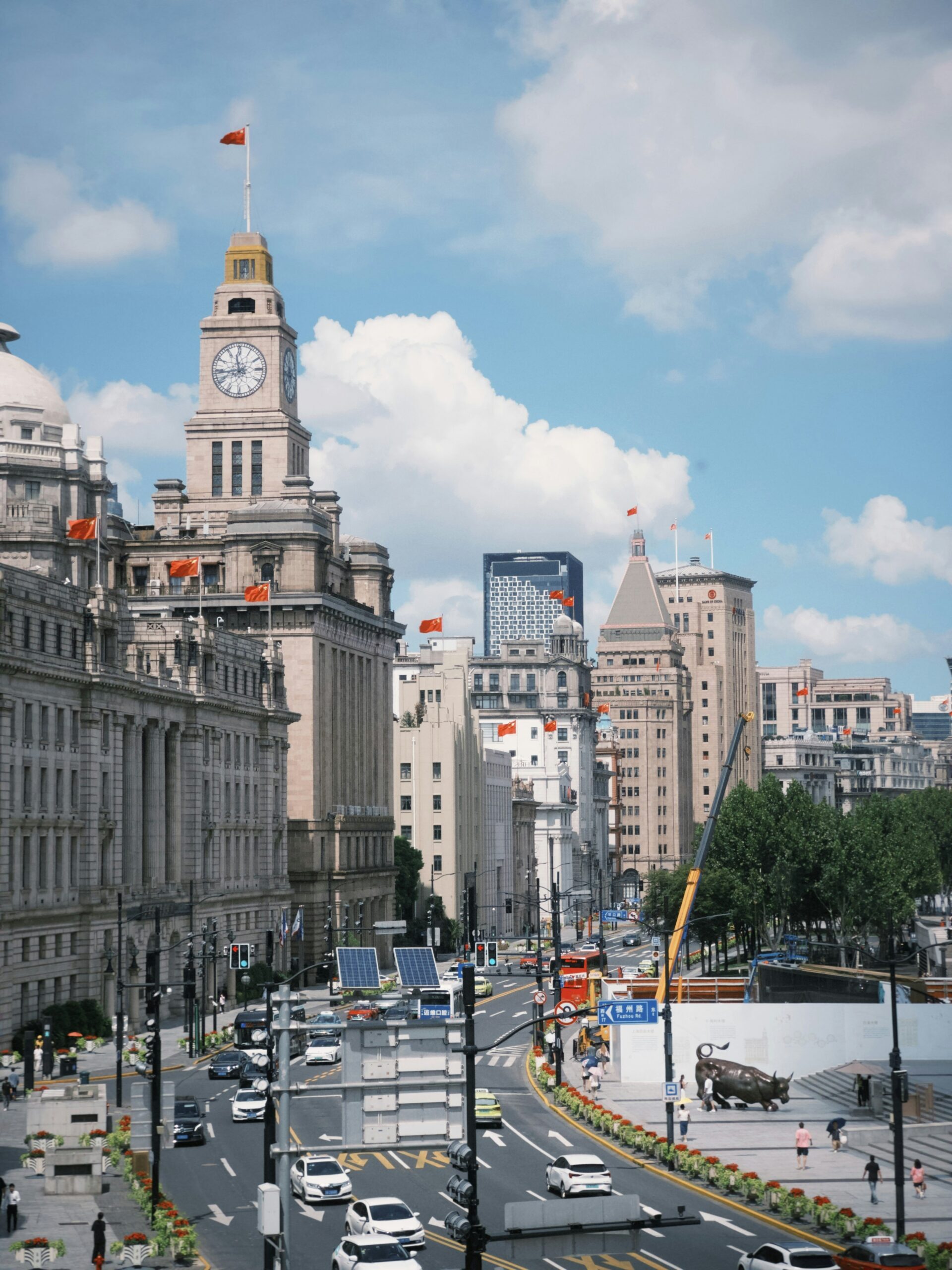
The Bund: A Museum of International Architecture, Witness to a Century of Shanghai’s History
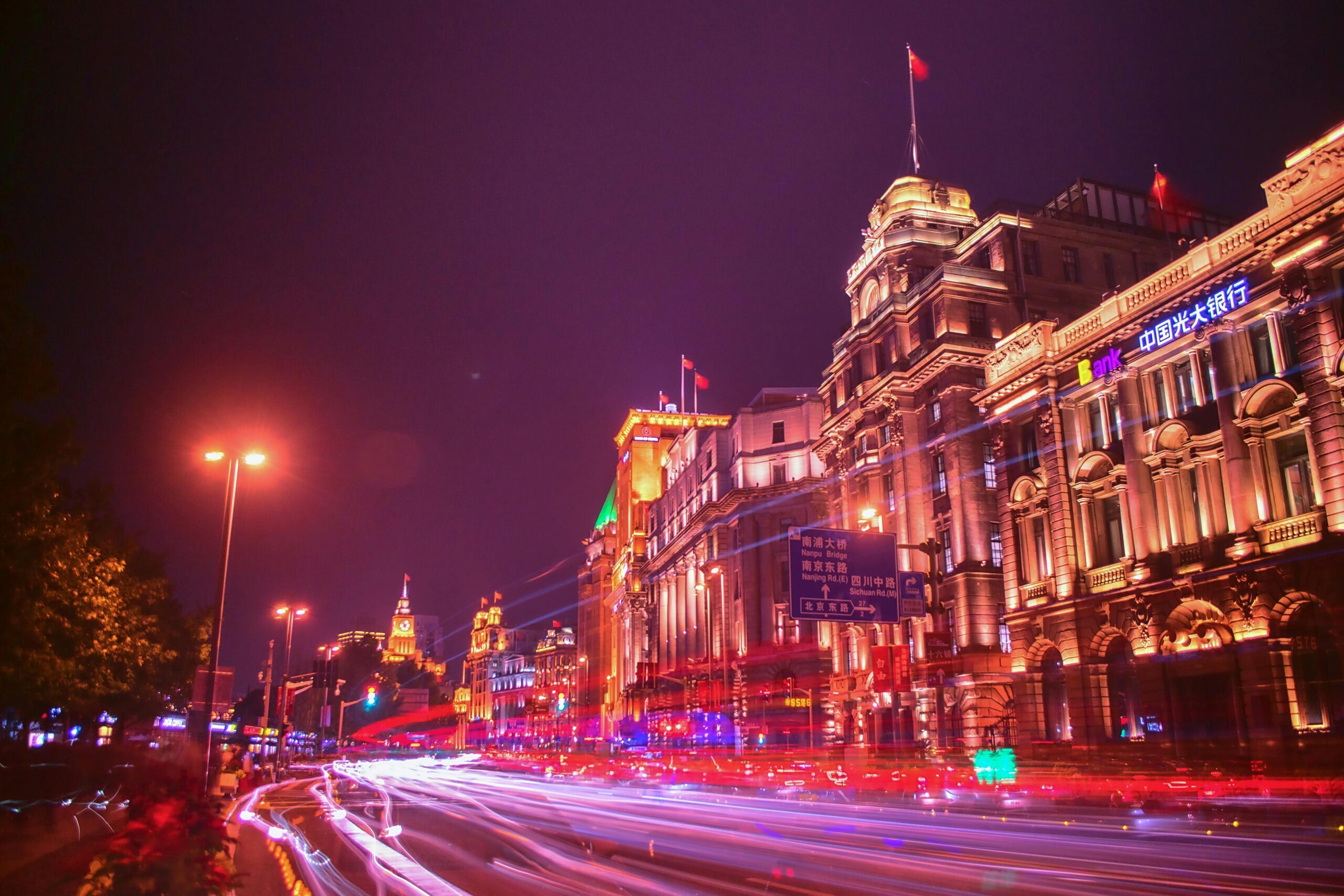
The Bund, this 1.5-kilometer-long waterfront promenade along the Huangpu River, is Shanghai’s most iconic landmark and a microcosm of modern Chinese history. It is not only a symbol of Shanghai but also a three-dimensional “Museum of International Architecture,” bearing witness to a century of the city’s transformation from a small fishing village into a global metropolis.
Travel Tips
Best Time to Visit: Early morning has fewer crowds, ideal for photography; evening offers magnificent sunsets and the transition into the night lights.
Transportation: Metro Line 2 or 10 to “Nanjing East Road” station, then a 10-minute walk.
Suggested Itinerary: Reserve 2-3 hours. Start from the Waibaidu Bridge and stroll south to Yan’an East Road. Combining the visit with a Huangpu River cruise is highly recommended.
Special Experience: At night, choose a restaurant or bar with a terrace along The Bund to enjoy the stunning night view.
Unmissable Experiences: The Dual Melody of Day and Night
Daytime: On a sunny day, take time to appreciate the intricate details of the “Museum of International Architecture.” Gothic spires, Romanesque arches, Baroque carvings—each building tells a different story.
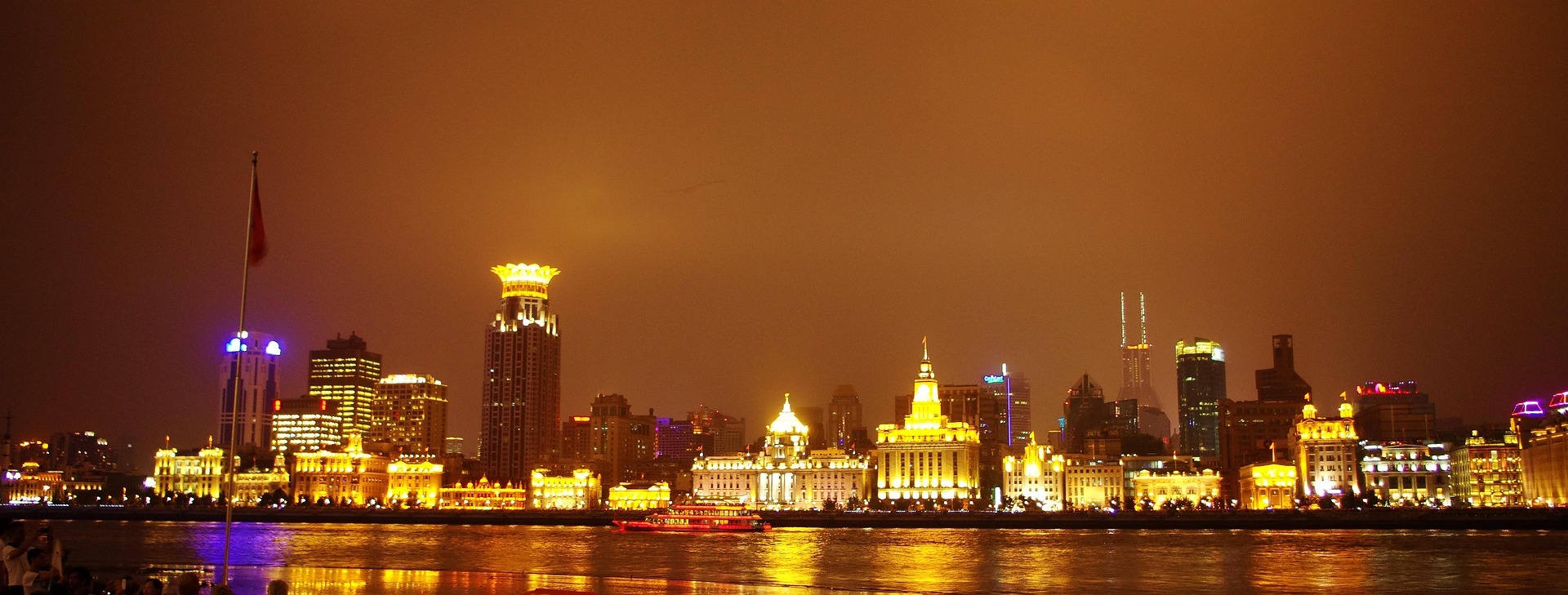
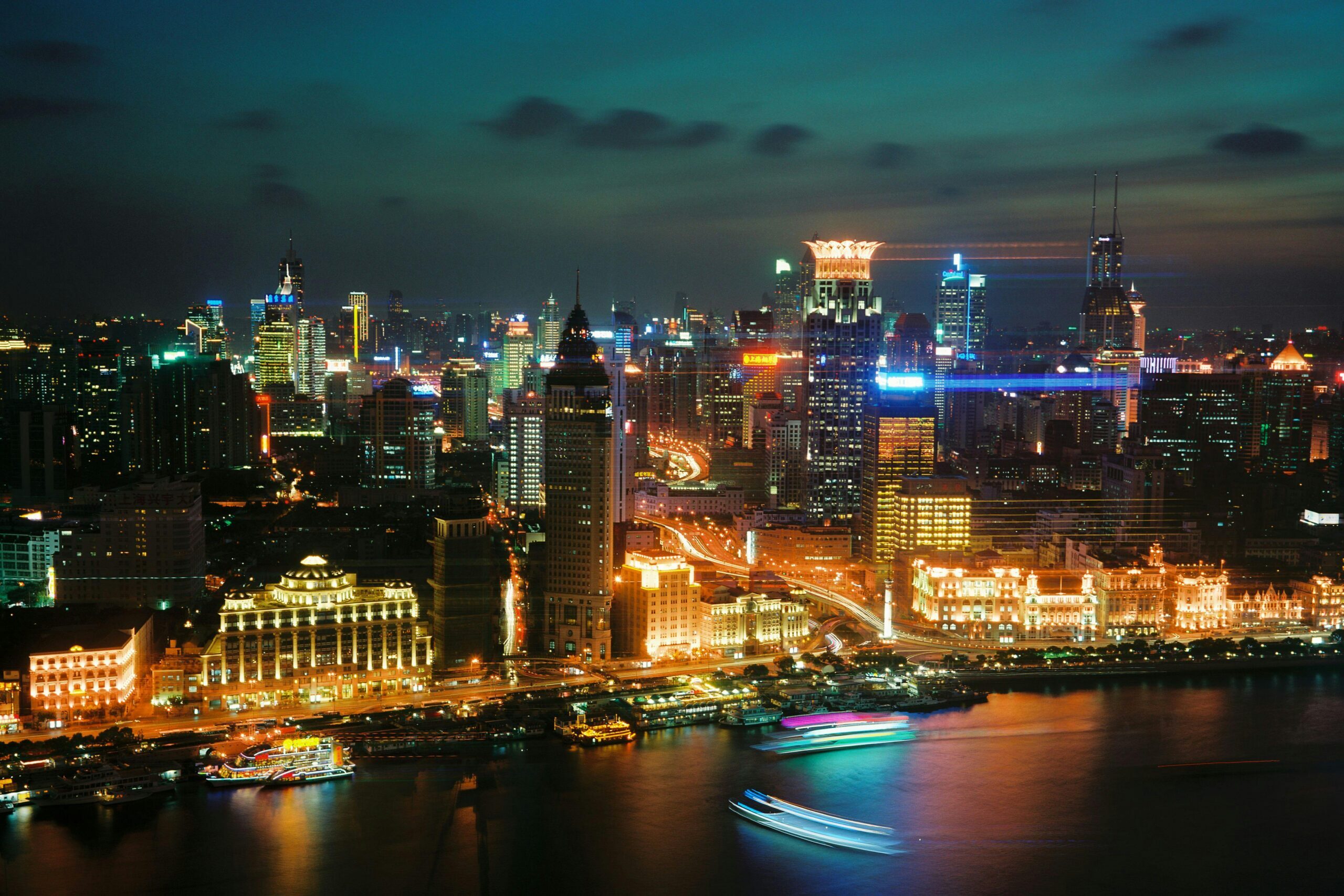
Nighttime: The night view is the soul of The Bund. As darkness falls, the lights of the classical buildings illuminate sequentially, outlining their golden silhouettes against the modern neon glow of the Lujiazui skyline across the river, creating Shanghai’s most classic postcard scene. Taking a Huangpu River cruise to view the scenery from the water is undoubtedly the best way to experience the charm of Shanghai as the “City That Never Sleeps.”
Museum of International Architecture: An Epic in Stone
The most striking feature of The Bund is the collection of 52 historical buildings of varying architectural styles on the Puxi side. Constructed primarily from the early 1900s to the 1930s by architects from different nations, they represent a confluence of styles including Gothic, Romanesque, Baroque, and Chinese-European fusion, forming the continuous “Museum of International Architecture.”
No. 1 The Bund – Asia Building: Known as the “First Building of The Bund,” it features a Neoclassical style.
No. 12 The Bund – HSBC Building (now Shanghai Pudong Development Bank HQ): Its magnificent dome murals earned it the nickname “the most luxurious building from the Suez Canal to the Bering Strait.”
No. 13 The Bund – Custom House: The giant clock atop the tower is one of The Bund’s signature sights.
The Peace Hotel: A masterpiece of Art Deco design, it has hosted countless celebrities and dignitaries, maintaining its legendary aura to this day.
A Dialogue Across Time: The Past and Present Face-to-Face
The unique charm of The Bund lies in the unparalleled dialogue across time it offers. Standing on the riverbank, looking west, you see the historical “Museum of International Architecture”; looking east, you see the Lujiazui financial district symbolizing the future. This powerful visual contrast makes The Bund a bridge connecting Shanghai’s past and future, perfectly illustrating the city’s spirit of “Inclusiveness and Pursuit of Excellence.”
The Stroll: From Waibaidu Bridge to Shiliupu
Walking along the elevated promenade of The Bund is the best way to absorb its atmosphere.
Waibaidu Bridge: China’s first all-steel structured bridge, a location for many films and TV shows, marks the northern starting point of The Bund.
The Lovers’ Wall: Once a popular dating spot in the last century, it remains a prime location for enjoying the river view.
Shiliupu Cruise Terminal: Once Shanghai’s gateway by water, it has been transformed into a modern cruise terminal, carrying forward new functions and memories.
Hidden Gems: Exploring the Interiors
Beyond the external views, the interiors of many Bund buildings are open to the public, holding unique splendors:
The Waldorf Astoria Shanghai (former Shanghai Club): Houses the renowned 34-meter-long “Long Bar,” once the “Longest Bar in the Far East.”
Bund Source: Located at the northern end of The Bund, it preserves a group of old buildings from the 1920s-30s and is now a hub for upscale dining and art.
In summary, The Bund is not a single scenic spot but a place rich in historical layers, capable of evoking profound reflection. It uses quite stone and exquisite lines to record Shanghai’s moments of glory and tribulation. Coming here is not just visiting a scenic waterfront; it is reading a vivid textbook of modern Chinese history and feeling the pulse of a city constantly moving forward with the tides of time.