The Big Buddha (天坛大佛)
The Big Buddha (Tian Tan Buddha): A Spiritual Sanctuary on Ngong Ping Plateau
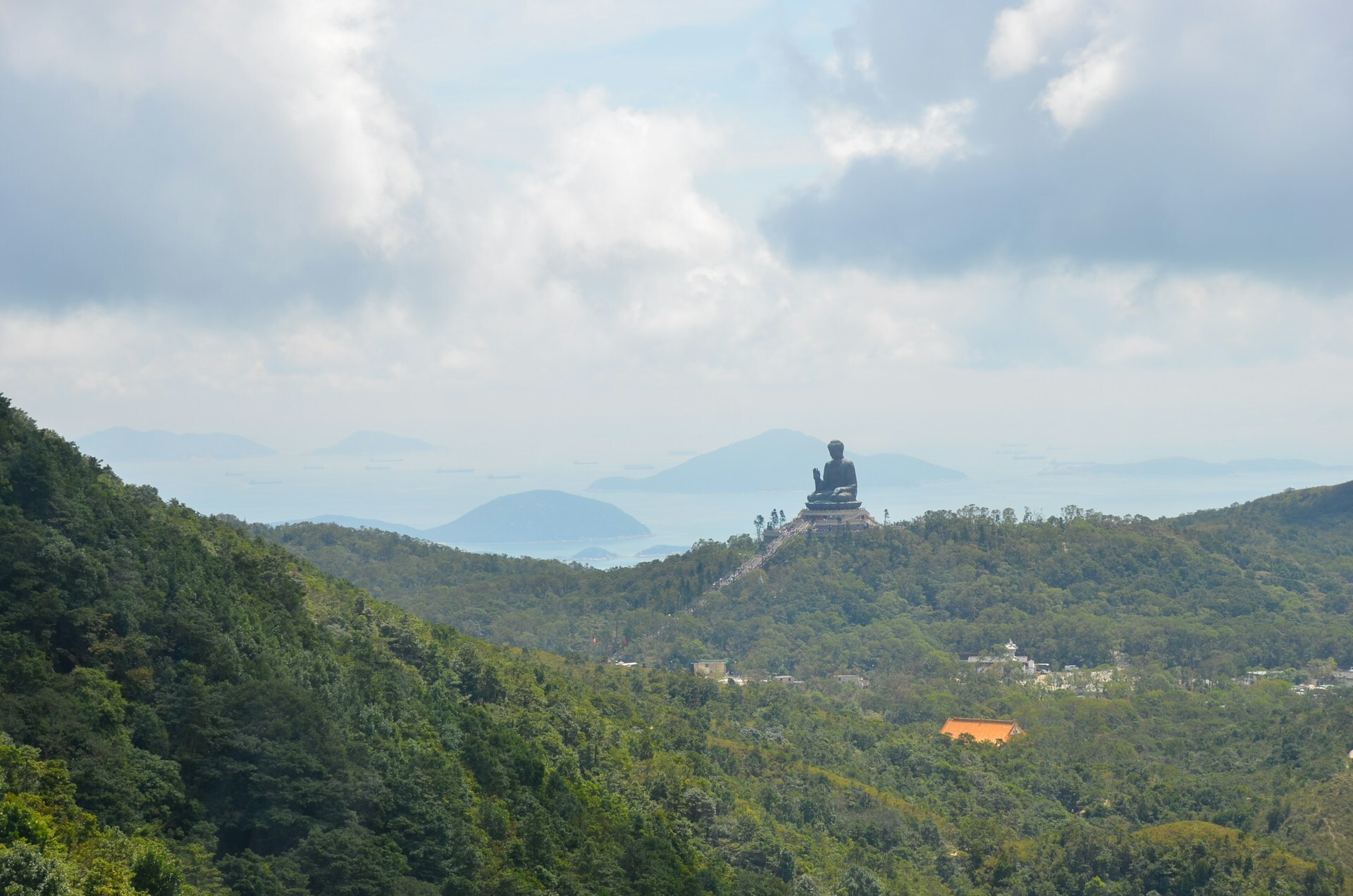
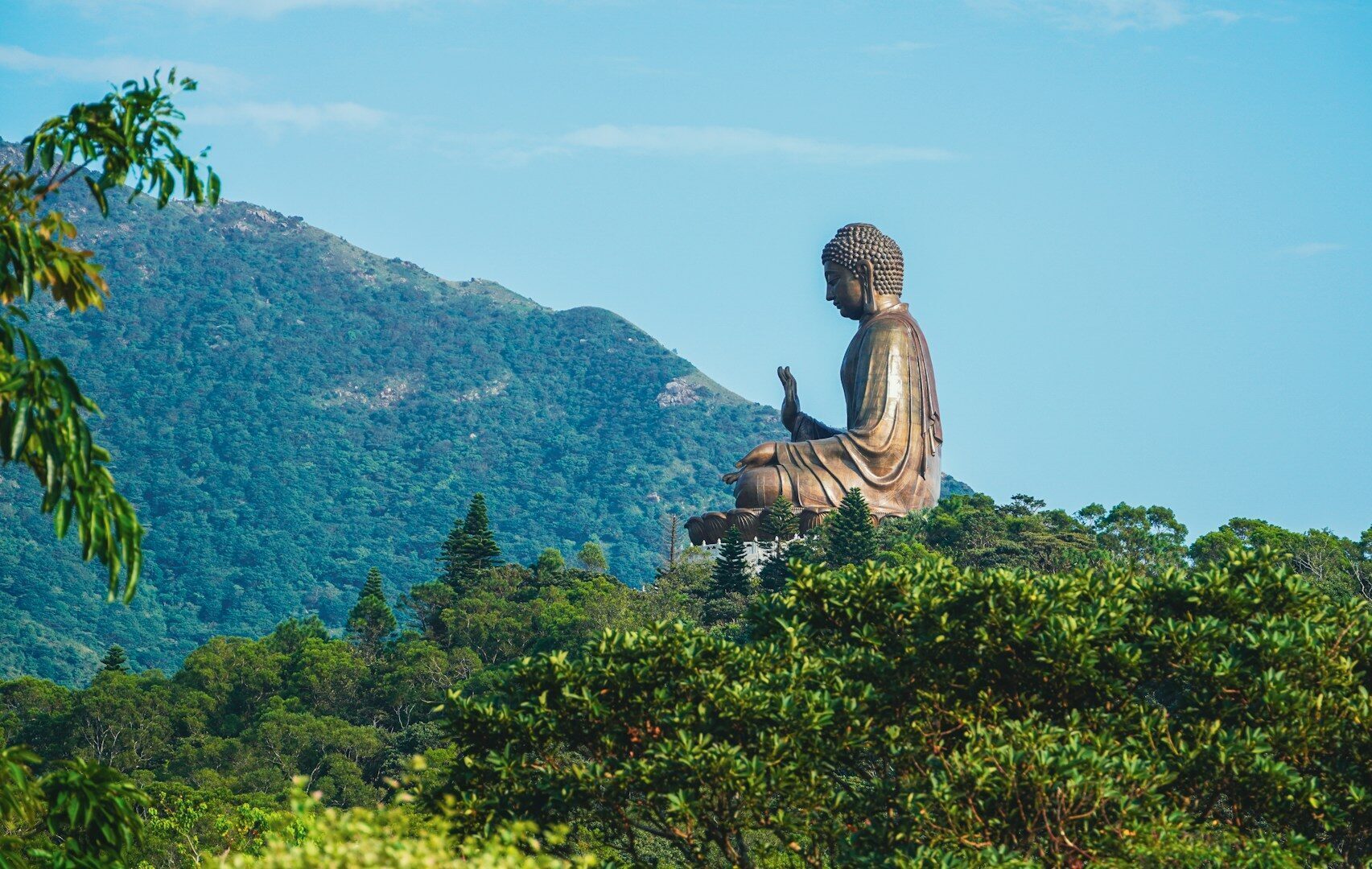
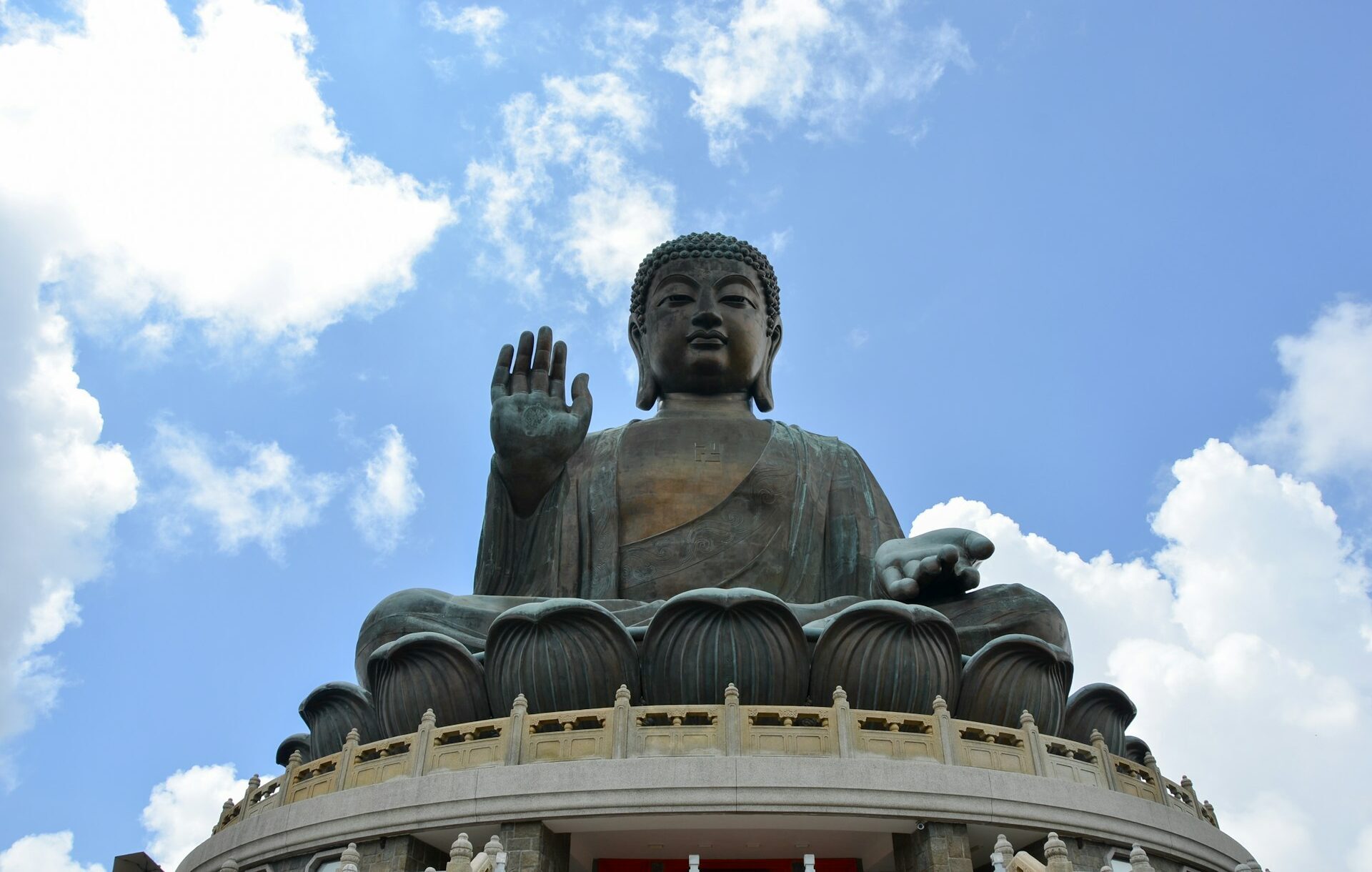
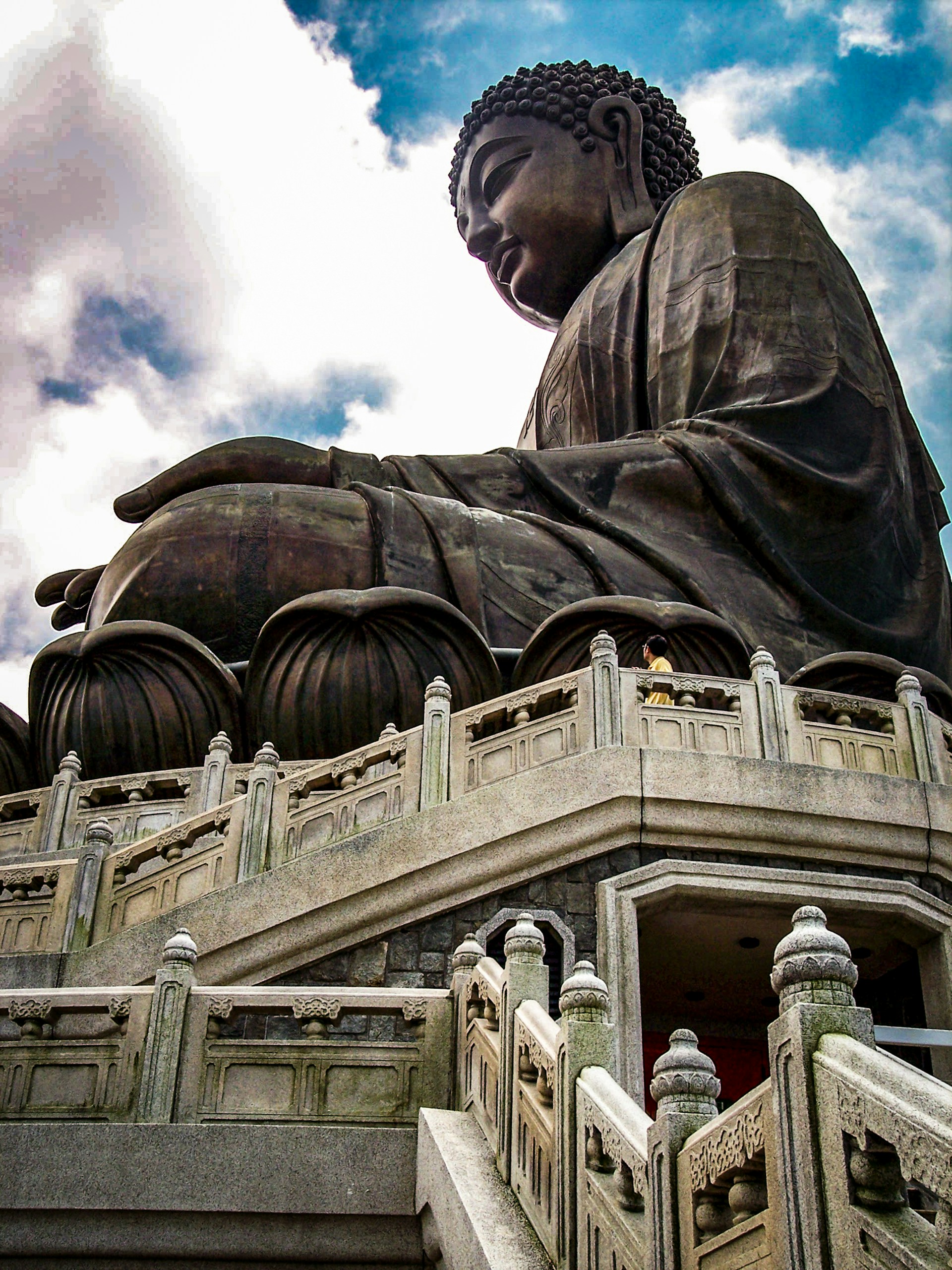
The Big Buddha, situated on the Ngong Ping Plateau of Lantau Island, is the world’s tallest outdoor seated bronze Buddha statue. This majestic and solemn figure is not only a significant religious landmark in Hong Kong but also an outstanding representative of Chinese culture and Buddhist art, attracting pilgrims and tourists from around the world.
Travel Tips
Best Time to Visit: Spring and autumn, when the weather is cool and visibility is clear; try to avoid the rainy and typhoon seasons.
Transportation: Take the Ngong Ping 360 cable car from Tung Chung, or use New Lantao Bus services to Ngong Ping Village.
Suggested Itinerary: Visit the Big Buddha, Po Lin Monastery, and the Wisdom Path; allow 3-4 hours for the entire visit; climb the 268 steps to reach the Buddha’s platform.
Special Experience: Enjoy vegetarian cuisine at Po Lin Monastery; participate in a meditation session; purchase unique souvenirs at Ngong Ping Village.
Architectural Art: A Fusion of Traditional Craftsmanship and Modern Technology
The construction of the Big Buddha was an engineering marvel, blending traditional Buddhist statue artistry with modern technology.
Material and Craftsmanship: The statue comprises 202 bronze castings, weighing a total of 250 tonnes, with the face casting being a particularly rare, large-scale bronze piece.
Symbolic Design: The Buddha’s right hand is raised in the “Abhaya Mudra,” dispelling fear and suffering; the left hand rests on the lap in the “Varada Mudra,” representing granting of wishes and compassion.
Significance of Orientation: The Buddha faces north, towards Beijing, symbolizing the heartfelt connection between Hong Kong and the motherland.
Religious Culture: A Spiritual Journey to a Buddhist Sanctuary
The Ngong Ping Plateau, where the Big Buddha resides, forms a complete Buddhist cultural area.
Po Lin Monastery: One of Hong Kong’s most important Buddhist temples, founded in 1906, featuring exquisite architecture and thriving incense offerings.
Wisdom Path: An outdoor exhibition of 38 wooden steles inscribed with the entire Heart Sutra in the calligraphy of the late renowned scholar Professor Jao Tsung-I, exuding a Zen-like atmosphere.
Buddhist Culture Exhibitions: The base of the Big Buddha houses an exhibition hall displaying precious cultural relics like Buddhist paintings, ritual instruments, and sarira (relics).
Natural Landscape: A Spiritual Space Between Mountain and Sea
The natural surroundings of the Big Buddha add to its sacred atmosphere.
Plateau Scenery: The Ngong Ping Plateau is surrounded by lush green mountains, offering views of the South China Sea on clear days.
Cultural Trail: The trail connecting the Big Buddha, Po Lin Monastery, and the Wisdom Path allows visitors to experience the tranquility and depth of Buddhist culture while walking.
Hidden Details and Experiences
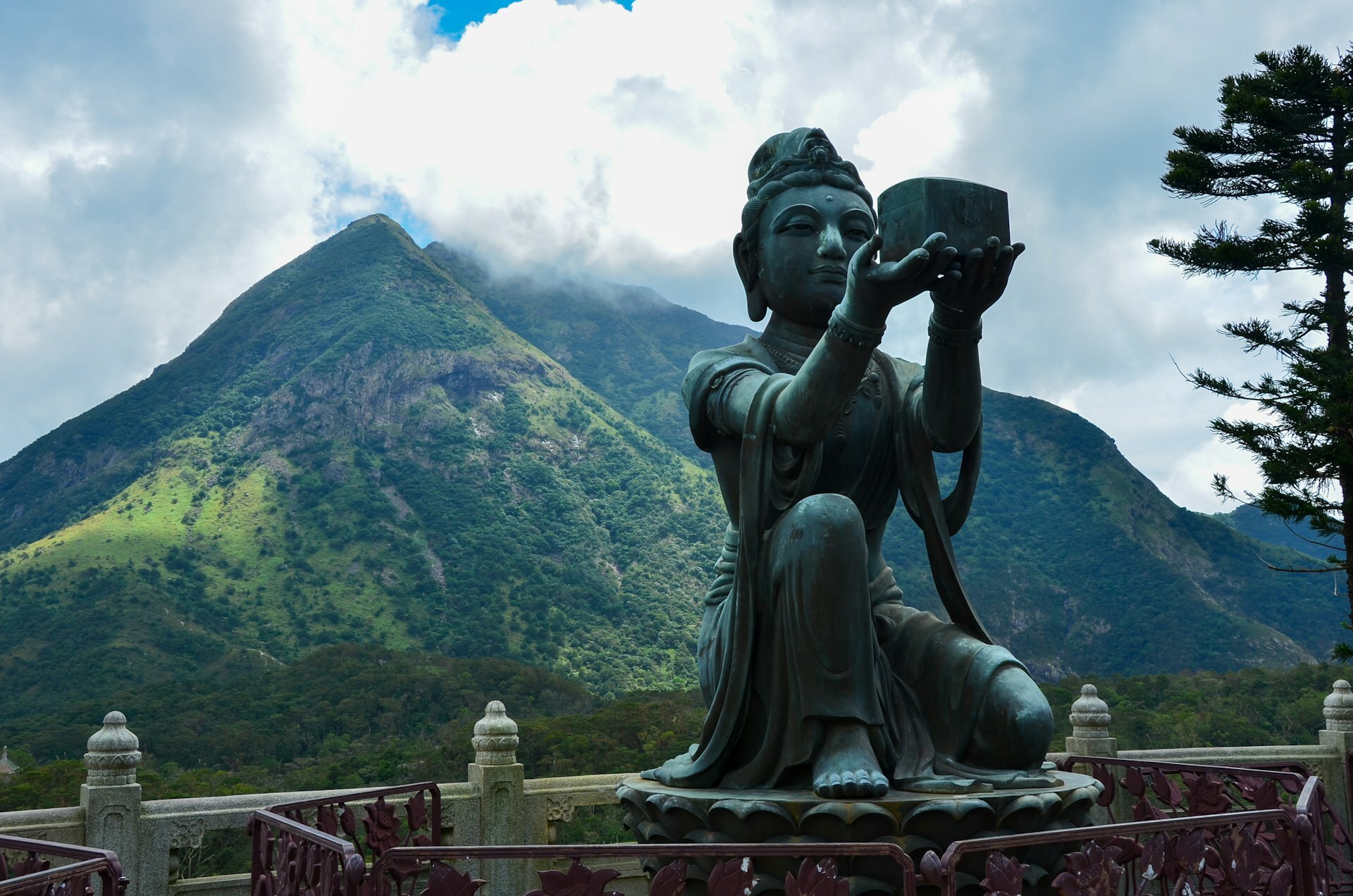
Feel the unique charm of this sanctuary with a careful heart: observe the six smaller bronze statues known as “The Offering of the Six Devas” surrounding the Buddha’s lotus throne; find ancient stone inscriptions at Po Lin Monastery; experience the most serene worship during early morning or dusk; learn about the historical moment of the Buddha’s consecration ceremony.
In summary, the Tian Tan Buddha is not only a magnificent work of art but also a spiritual sanctuary that offers peace and inspiration to the soul. Whether you are a Buddhist follower or a culture enthusiast, this place will provide an unforgettable experience and profound reflection.