Temple Street Night Market (庙街夜市)
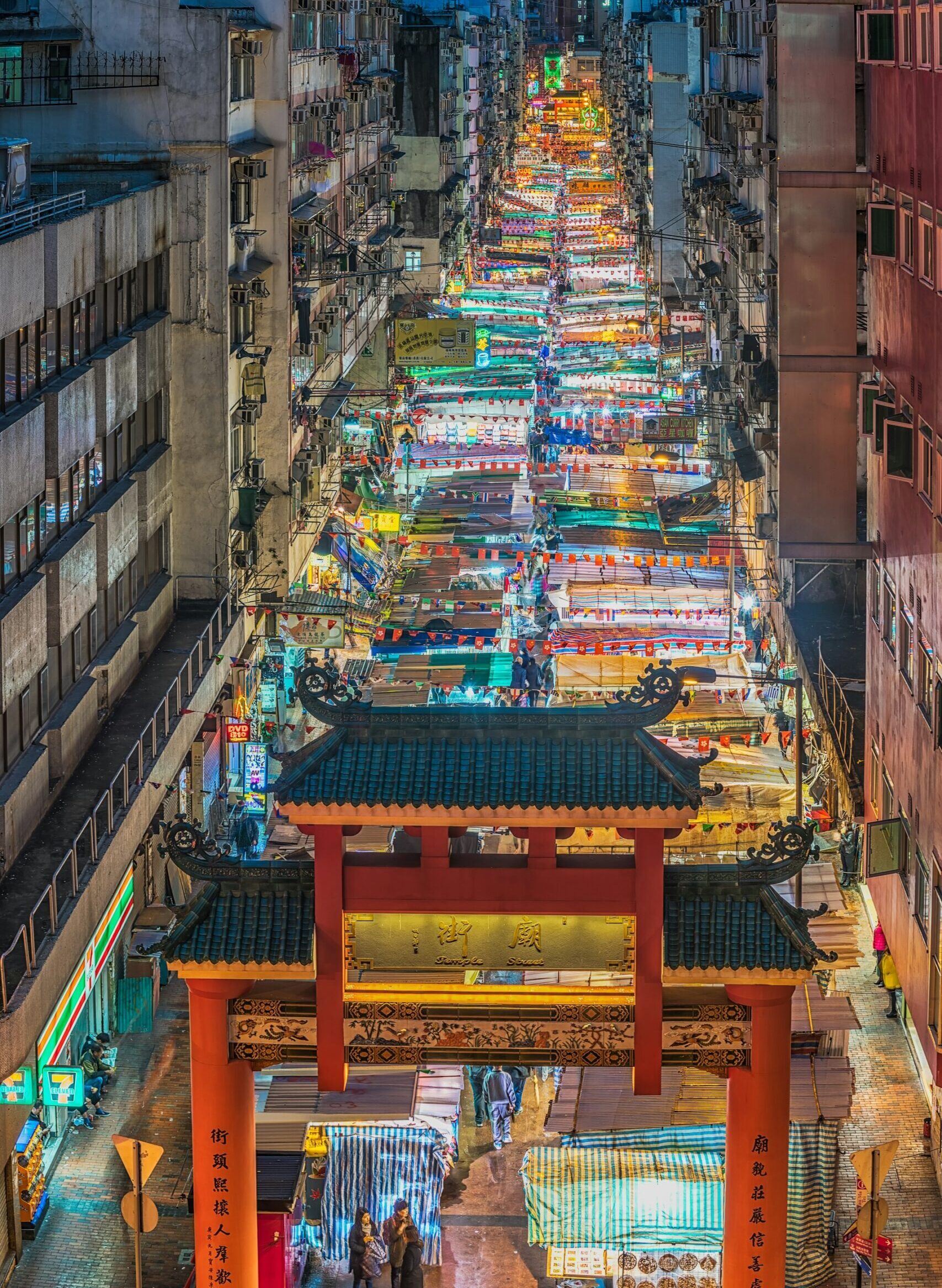
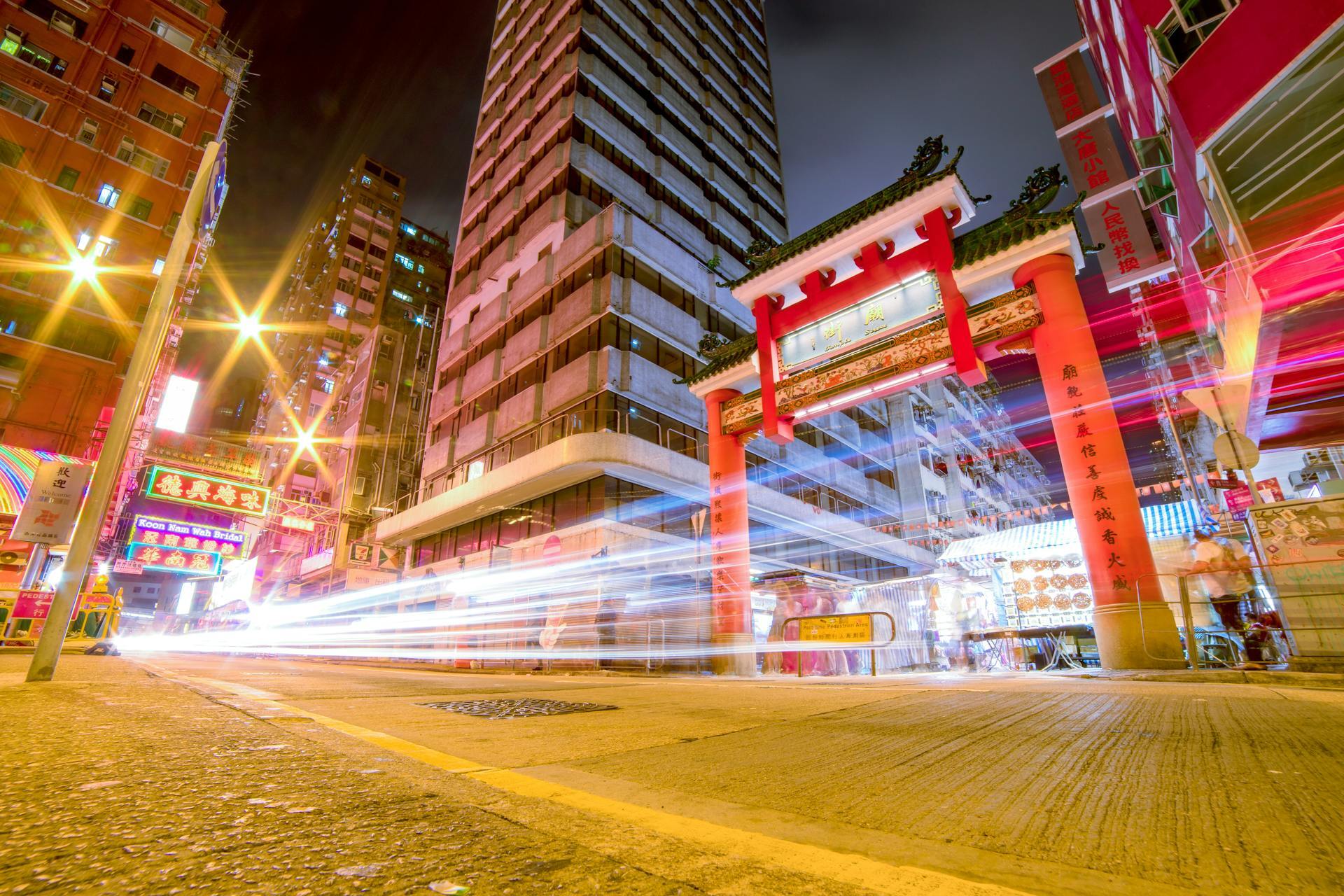
Temple Street Night Market: A Living Museum of Hong Kong’s Local Culture
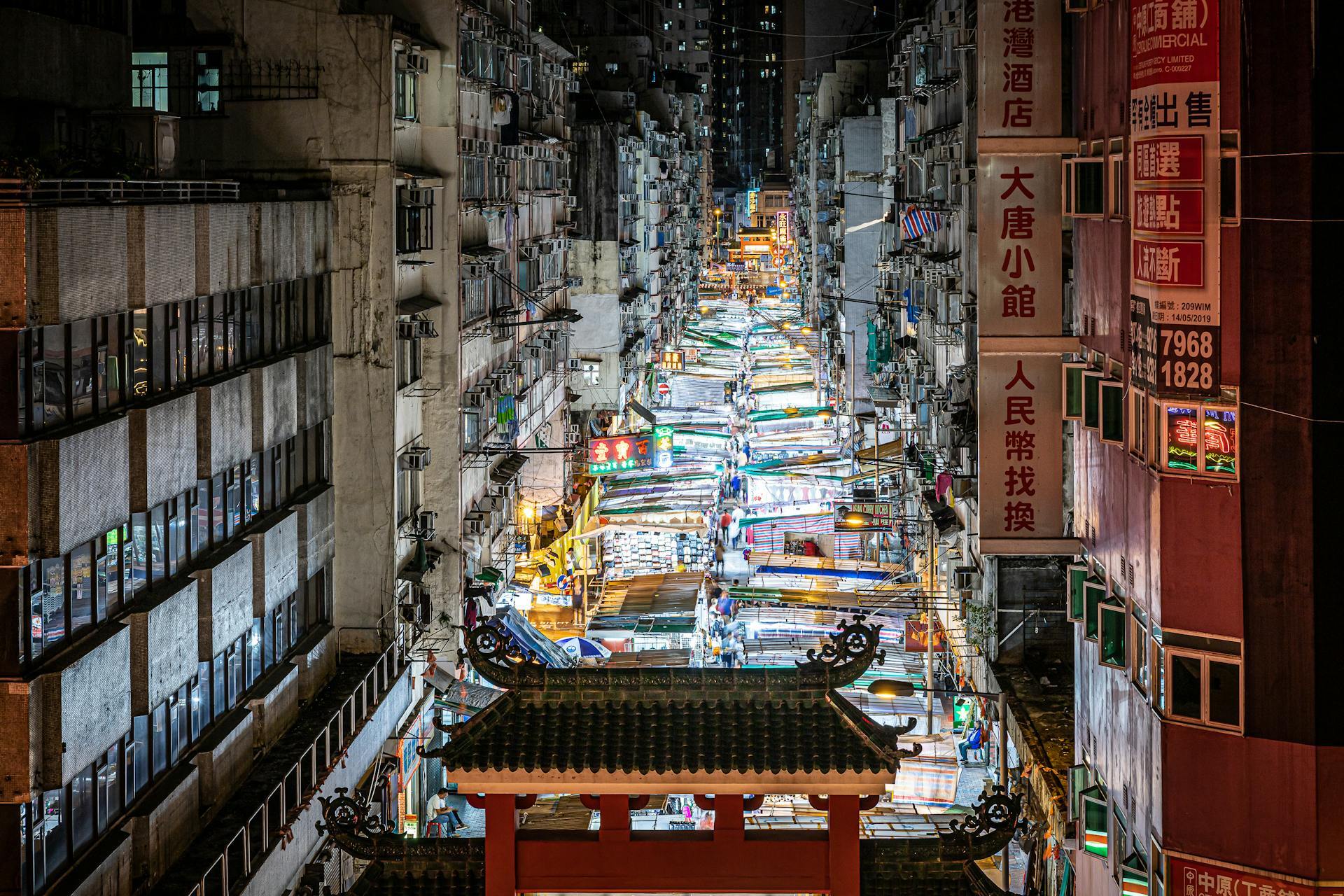
The Temple Street Night Market, located in Yau Tsim Mong District, Kowloon, is Hong Kong’s most famous open-air night market, renowned as the “Poor Man’s Nightclub.” It is not only a paradise for shopping and food but also a vivid scroll painting showcasing the authentic local lifestyle of Hong Kong, carrying the collective memories of generations of its residents.
Travel Tips
Best Time to Visit: From 6:00 PM to 11:00 PM, when the night atmosphere is most intense; weekends and public holidays are the most crowded.
Transportation: MTR Jordan Station, Exit A, about a 5-minute walk; or Yau Ma Tei Station, Exit C, about a 3-minute walk.
Suggested Itinerary: Reserve 2-3 hours. Start from the northern section of Temple Street and slowly explore southwards to experience different area characteristics.
Special Experience: Sample authentic claypot rice; experience “spirit medium” consultation or palm reading at a fortune-telling stall; find famous Hong Kong movie filming locations.
Dual Faces: Day and Night
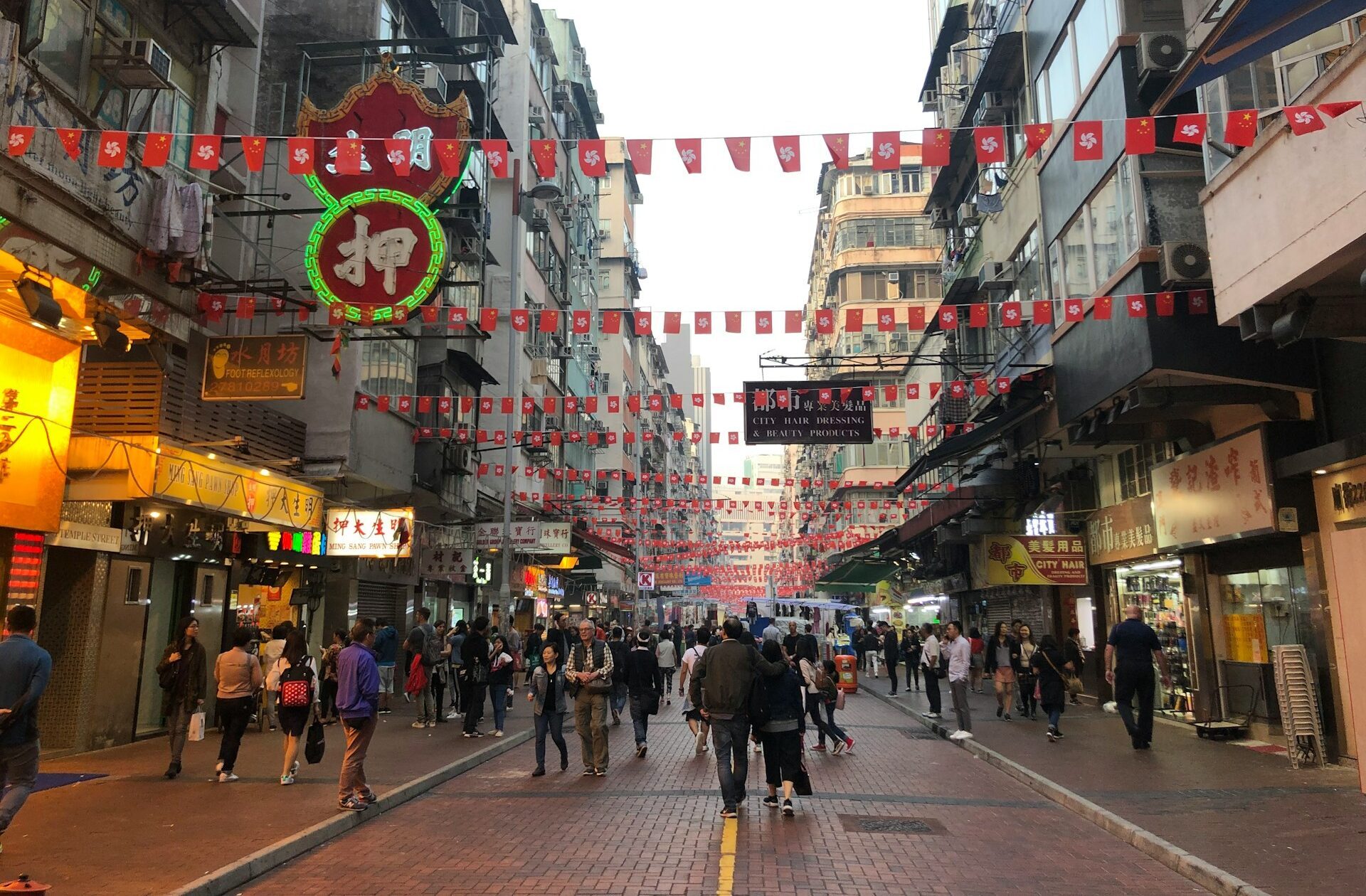
Daytime: The afternoon is relatively quiet, with some stalls not yet open, allowing you to see the old Tong Lau buildings lining the street and feel the community’s daily life atmosphere.
Nighttime: As the sun sets, lights from hundreds of stalls gradually brighten, and the cacophony of vendors, sizzling woks, and Cantonese opera music intertwines into Temple Street’s unique symphony, instantly transforming the area into a vibrant city that never sleeps.
Four Exploration Zones: A Kaleidoscope of Experiences
Food Paradise Zone: The soul of Temple Street. Dozens of dai pai dongs (open-air food stalls) and eateries offer authentic Hong Kong flavors, from famous claypot rice, mantis shrimp with salt and pepper to Hong Kong-style milk tea and egg waffles. The aroma is irresistible, and old-established shops like Hing Kee Claypot Rice and Mido Cafe are must-try destinations.
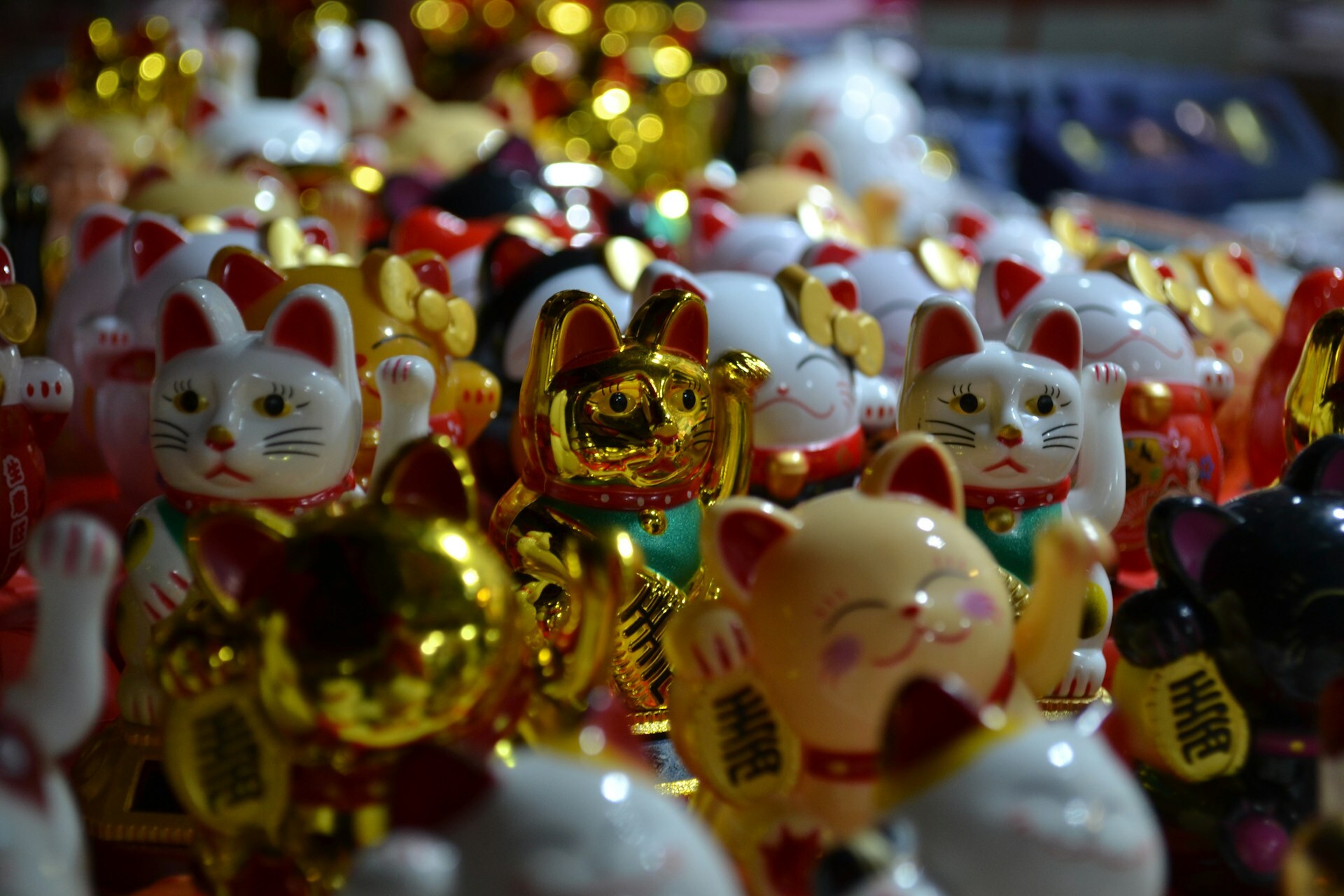
Unique Shopping Zone: Farewell to generic souvenirs. Here, you can find electronic accessories, men’s apparel, jade jewelry, watches and glasses, and even antique-style crafts at reasonable prices, perfect for those who browse patiently. The vendors’ skilled sales techniques are a spectacle in themselves.
Traditional Culture Zone: Temple Street gets its name from the Tin Hau Temple located within the street. This temple, built in the 19th century, remains a thriving place of worship. The surrounding area gathers numerous fortune-telling stalls and Cantonese opera performers, offering a blend of traditional and modern divination services like face reading, palmistry, and tarot cards, making it an excellent place to experience Hong Kong’s folk beliefs.
Street Performance Zone: In the southern section, you can often find street singers performing classic Cantopop songs and occasionally see variety artists. Spending a few dozen Hong Kong dollars to request an old song is a nostalgic ritual for many longtime Hong Kongers.
Cultural Significance: The Grassroots Portrait of the Hong Kong Spirit
Temple Street represents Hong Kong’s resilient, pragmatic, and vibrant grassroots spirit. It has been a filming location for countless Hong Kong movies, with classics like “The God of Cookery” and “C’est la vie, mon chéri” shot here, making it a pilgrimage site for global film fans. It has witnessed Hong Kong’s social transformation from post-war poverty to economic prosperity.
Hidden Details and Experiences
Discover the unique charm of Temple Street with a careful eye: notice the creative Hong Kong-style slogans on the stalls; feel the 1950s nostalgia in the upstairs seating of Mido Cafe; find the traditional barber shops hidden in the alleys; observe the leisurely scene of locals playing chess at makeshift chess stalls; or experience the different atmosphere after the market starts packing up (around 11:00 PM or later).
In summary, the charm of the Temple Street Night Market lies in its authenticity and inclusiveness. It is not a stage meticulously set for tourists but a place where the life of Hong Kong citizens naturally unfolds. Visiting here means not just touring a scenic spot but participating in an ongoing practice of Hong Kong life, feeling the grassroots wisdom and vitality preserved by the city amidst its modernization process.