
The Forbidden City (故宫)
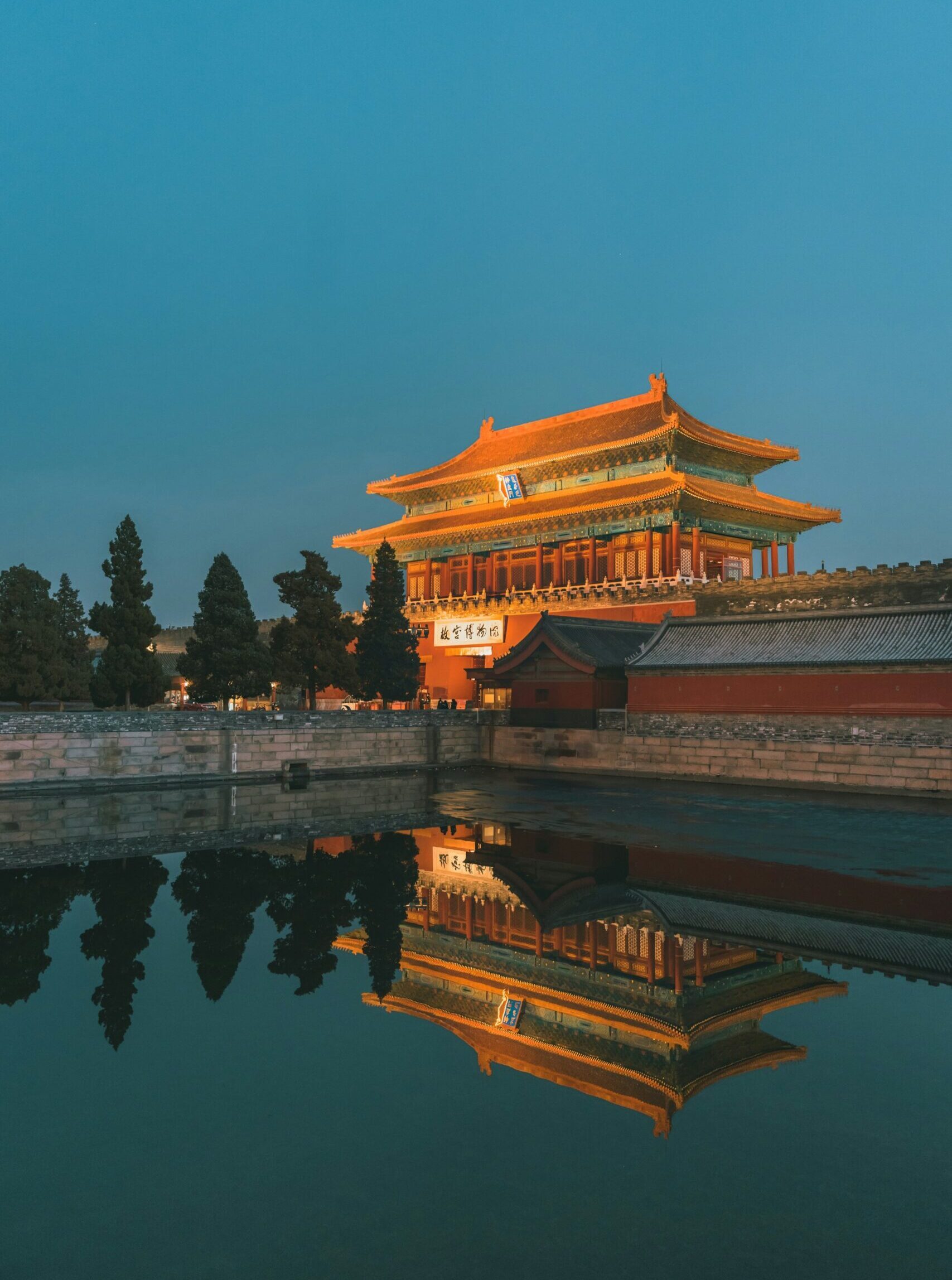
The Forbidden City: A 600-Year Imperial Epic
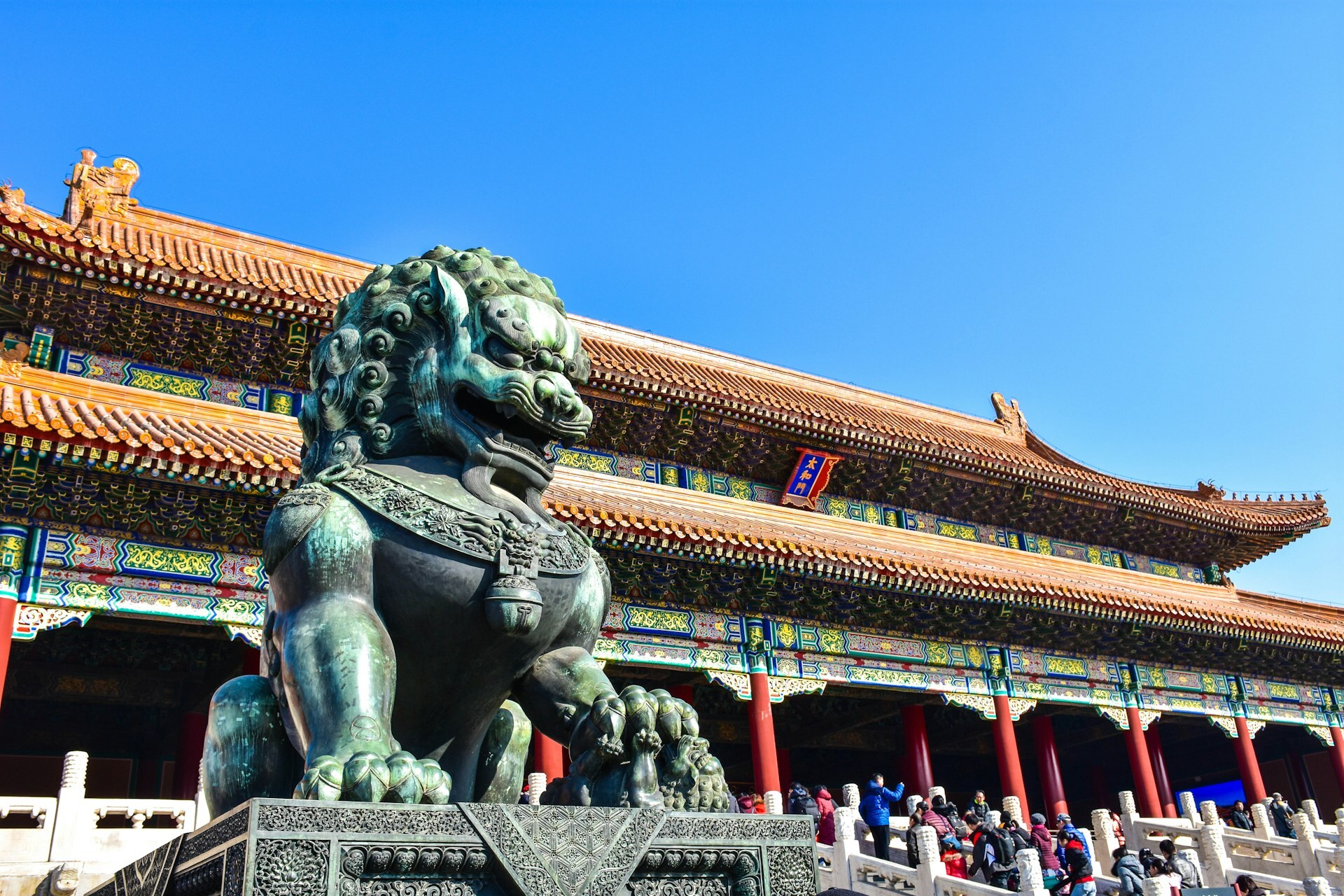
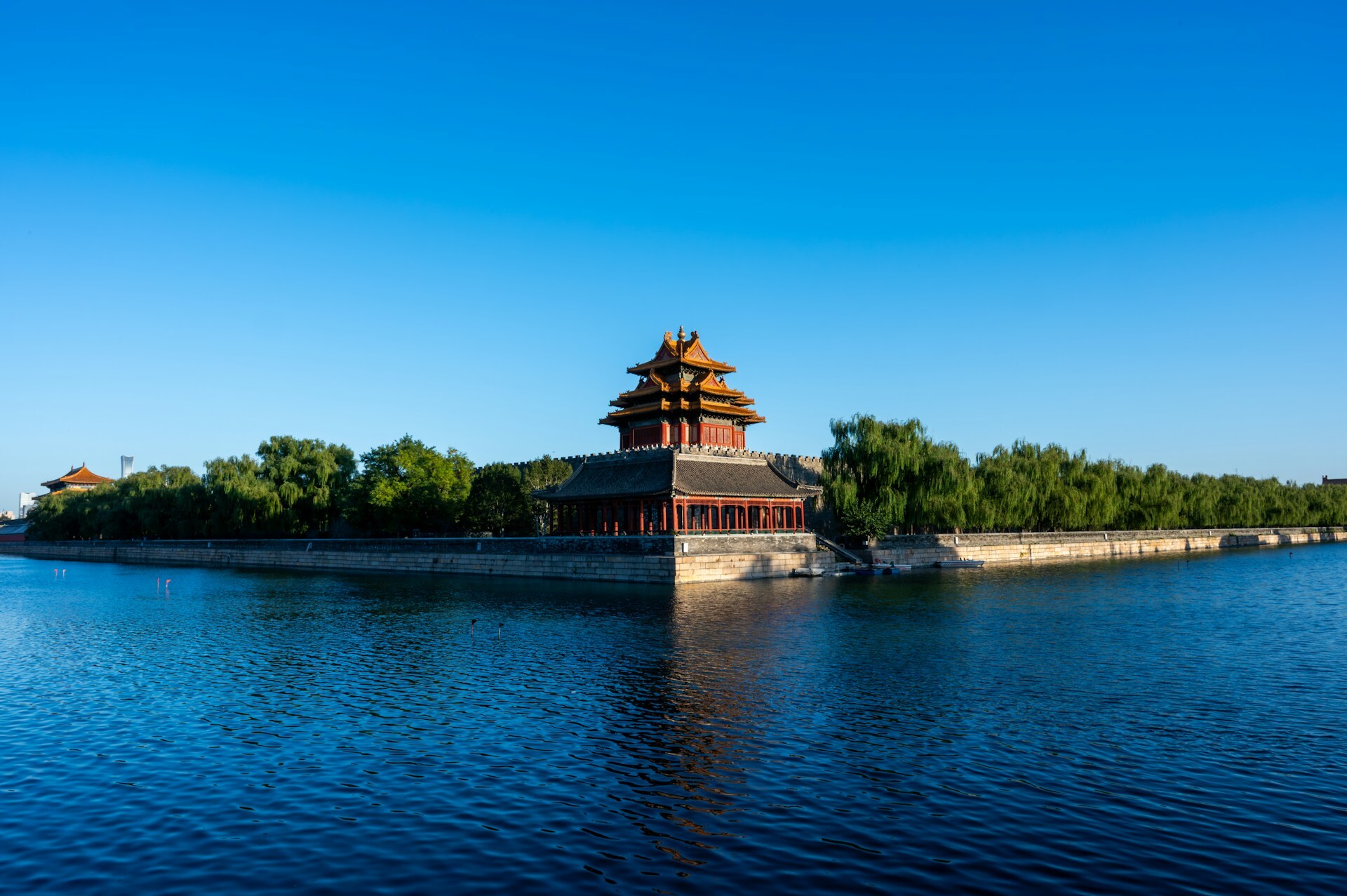
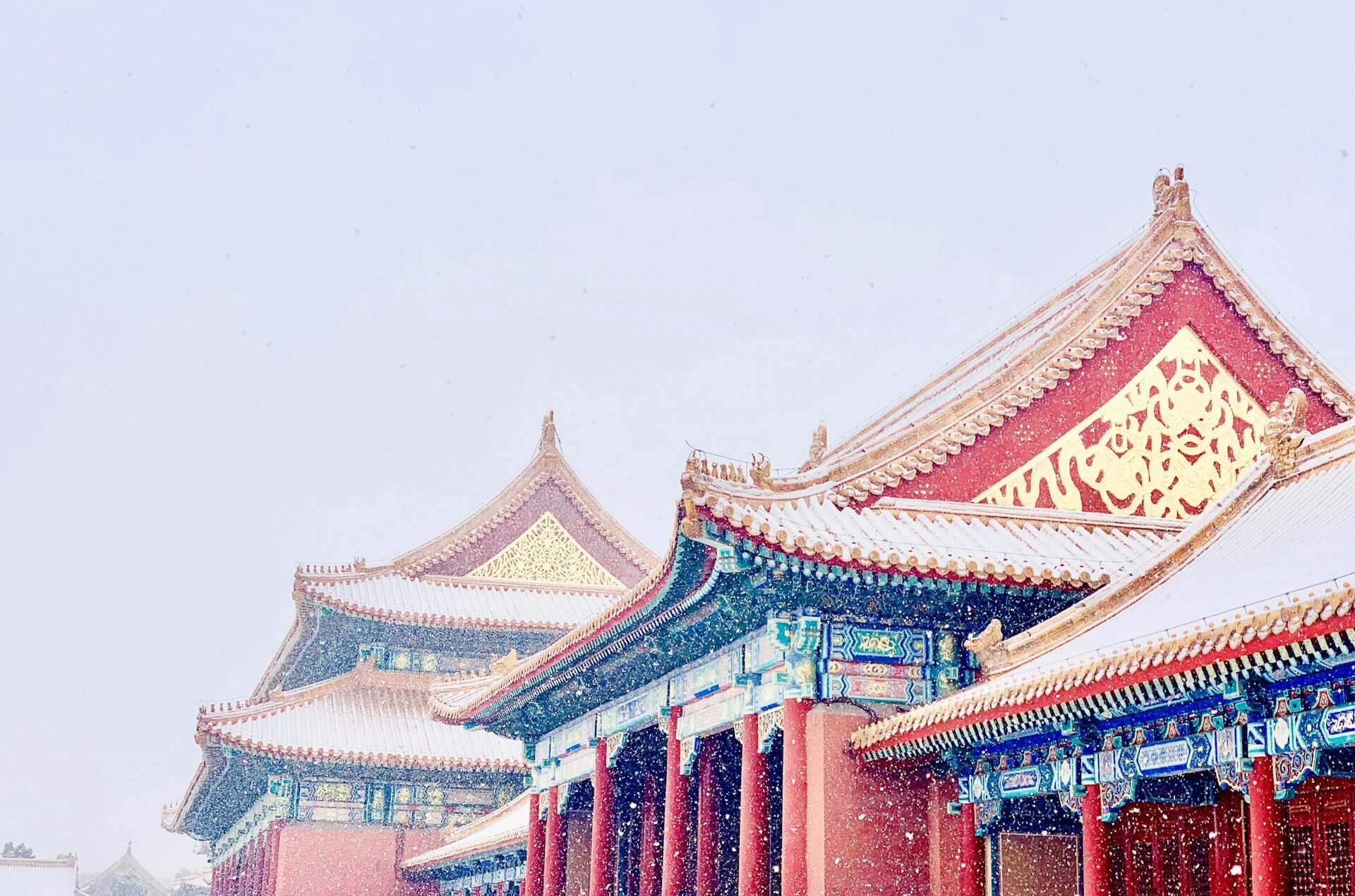
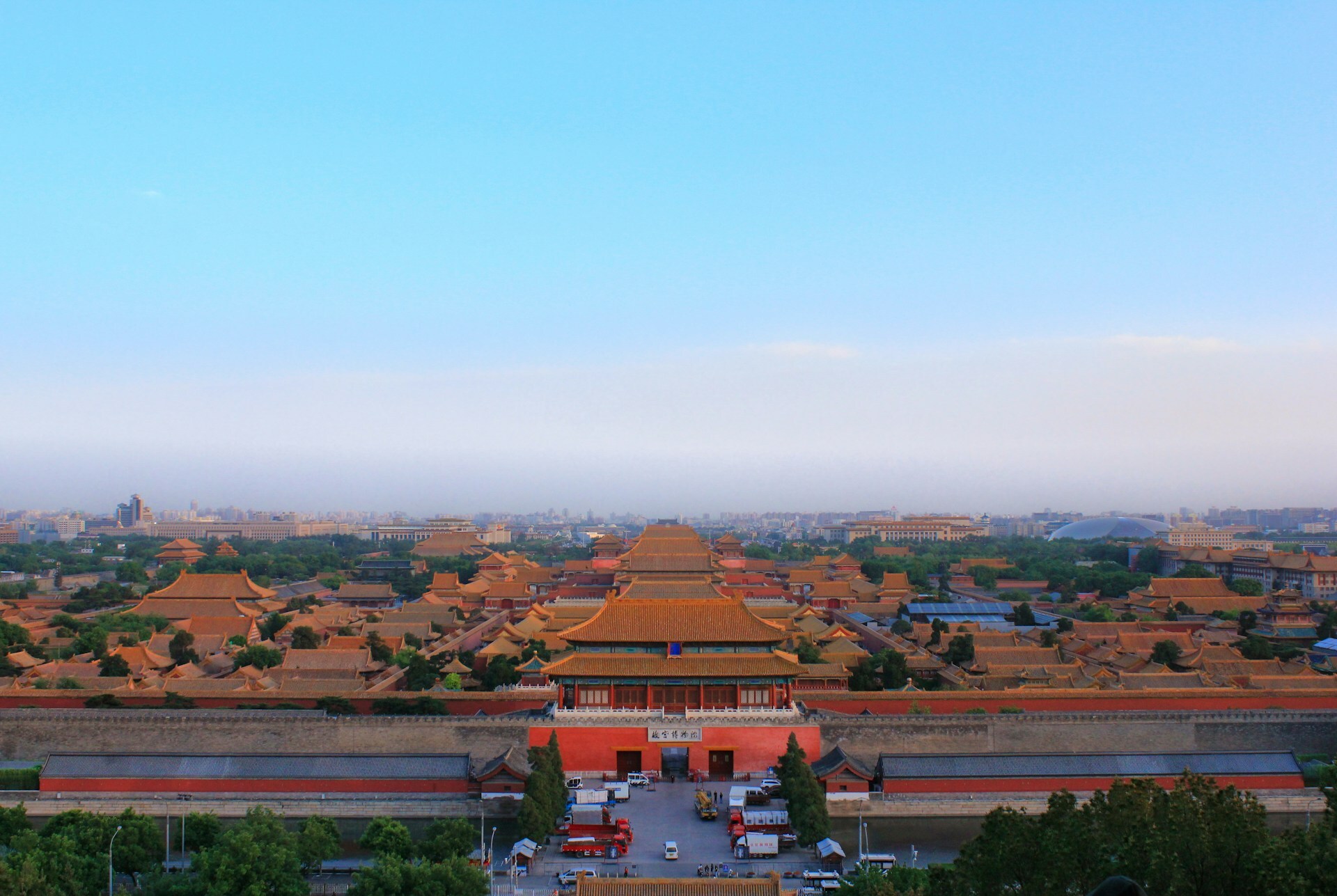
The Forbidden City, situated at the very heart of Beijing’s central axis, is the world’s largest and most complete surviving complex of ancient wooden structures. It served as home to twenty-four emperors across the Ming and Qing dynasties, standing as a three-dimensional history book of the Chinese court, bearing witness to six centuries of China’s cultural rise and fall.
Travel Tips
Best Time to Visit: Arrive right at opening time on weekdays to avoid peaks; spring and autumn offer the most comfortable weather.
Transportation: Take Metro Line 1 to “Tian’anmen East” or “Tian’anmen West” station, followed by a security check.
Suggested Itinerary: Reserve at least 5-6 hours. Follow the central axis south-to-north, then explore the Eastern and Western Palaces.
Special Experience: Climb to the Pavilion of Eternal Spring atop Jingshan Hill for a breathtaking bird’s-eye view of the sea of golden-glazed tiles; look for the Forbidden City’s “internet-famous” resident cats.
A Dual Narrative: Day and Night
Daytime: Under the sun, carefully admire the majestic grandeur of the Hall of Supreme Harmony, the imperial authority of the Palace of Heavenly Purity, and the exquisite layout of the Imperial Garden, feeling the immense scale of royal architecture.
Nighttime: While night openings are rare, on specific dates, the Forbidden City illuminated against the dark sky appears profoundly mysterious and solemn, offering an experience utterly different from the daytime.
Architectural Layout: A Embodiment of Philosophical Principles
The architecture strictly adheres to the principles outlined in the “Rites of Zhou,” with the Outer Court in front, Inner Court behind, Ancestral Temple to the left, and Altar of Land and Grain to the right, reflecting the ancient philosophical concept of “Harmony between Heaven and Humanity.”
Three Great Halls of the Outer Court: The Hall of Supreme Harmony, Hall of Central Harmony, and Hall of Preserving Harmony were used for grand ceremonies and audiences, featuring the largest scale and highest architectural rank.
Three Rear Palaces of the Inner Court: The Palace of Heavenly Purity, Hall of Union, and Palace of Earthly Tranquility were the formal residences of the Emperor and Empress, with a more private layout and refined decorations.
Six Eastern and Western Palaces: The residences of imperial consorts, now mostly serving as thematic museums displaying precious artifacts like imperial treasures, clocks, and paintings.
Hidden Details and Stories
The true charm lies in discovery: note the number of rooftop ridge figures—the ten on the Hall of Supreme Harmony are unique; observe the gilded bronze studs on the gates, with nine rows and nine columns being the highest rank; feel the simplicity and secrecy of the Grand Council, the Qing dynasty’s power center; capture photographs of light and shadow in the narrow red-walled passageways.
Cultural Heritage: From Imperial Palace to Museum
In 1925, the Palace Museum was established, finally opening this once-forbidden city to the public. Today, it is not only a tourist destination but also a world-class museum housing over 1.8 million cultural relics, showcasing the depth and breadth of Chinese civilization to the world.