
Summer Palace (颐和园)
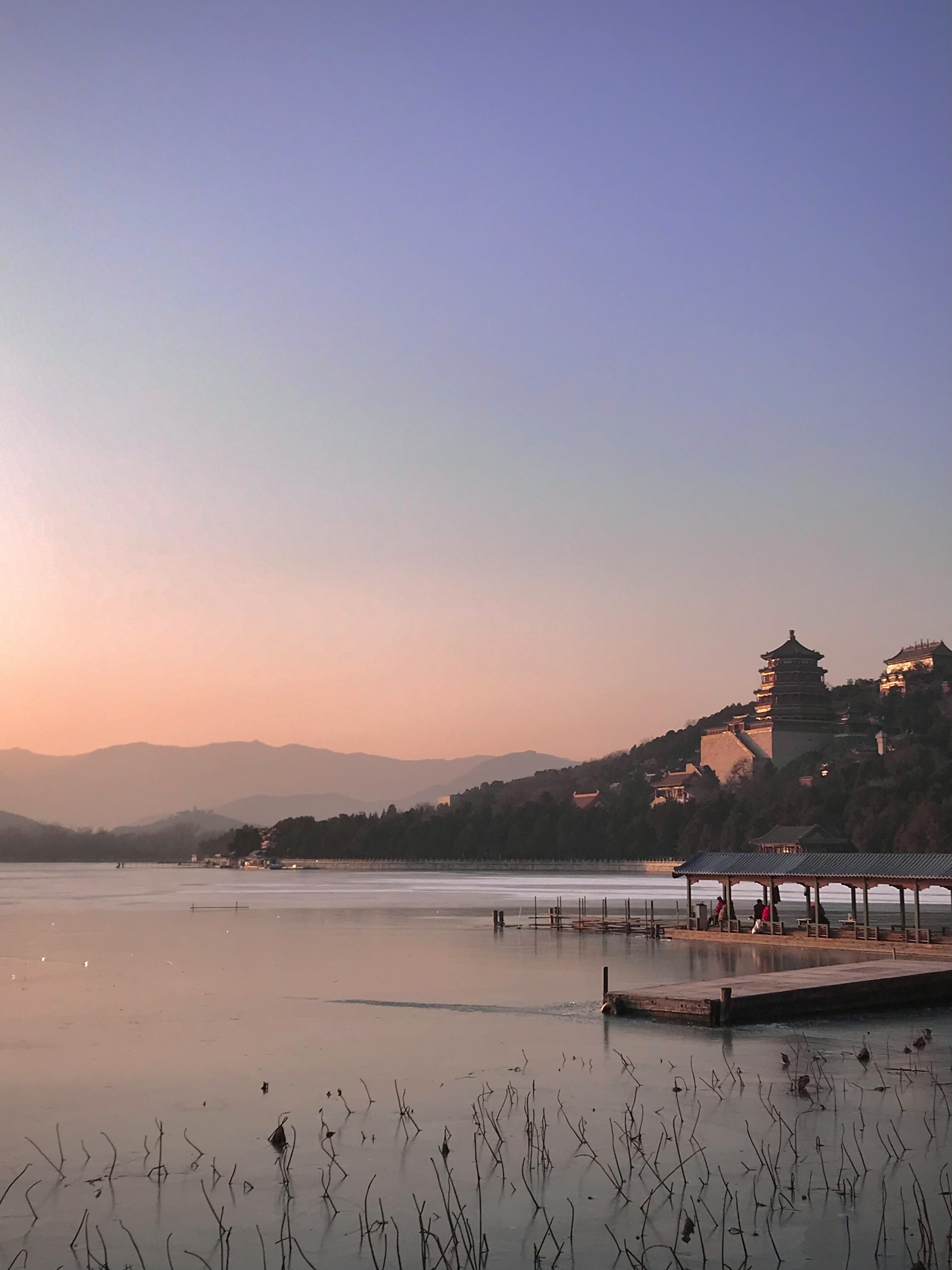
Summer Palace: The Pinnacle of Royal Garden Art
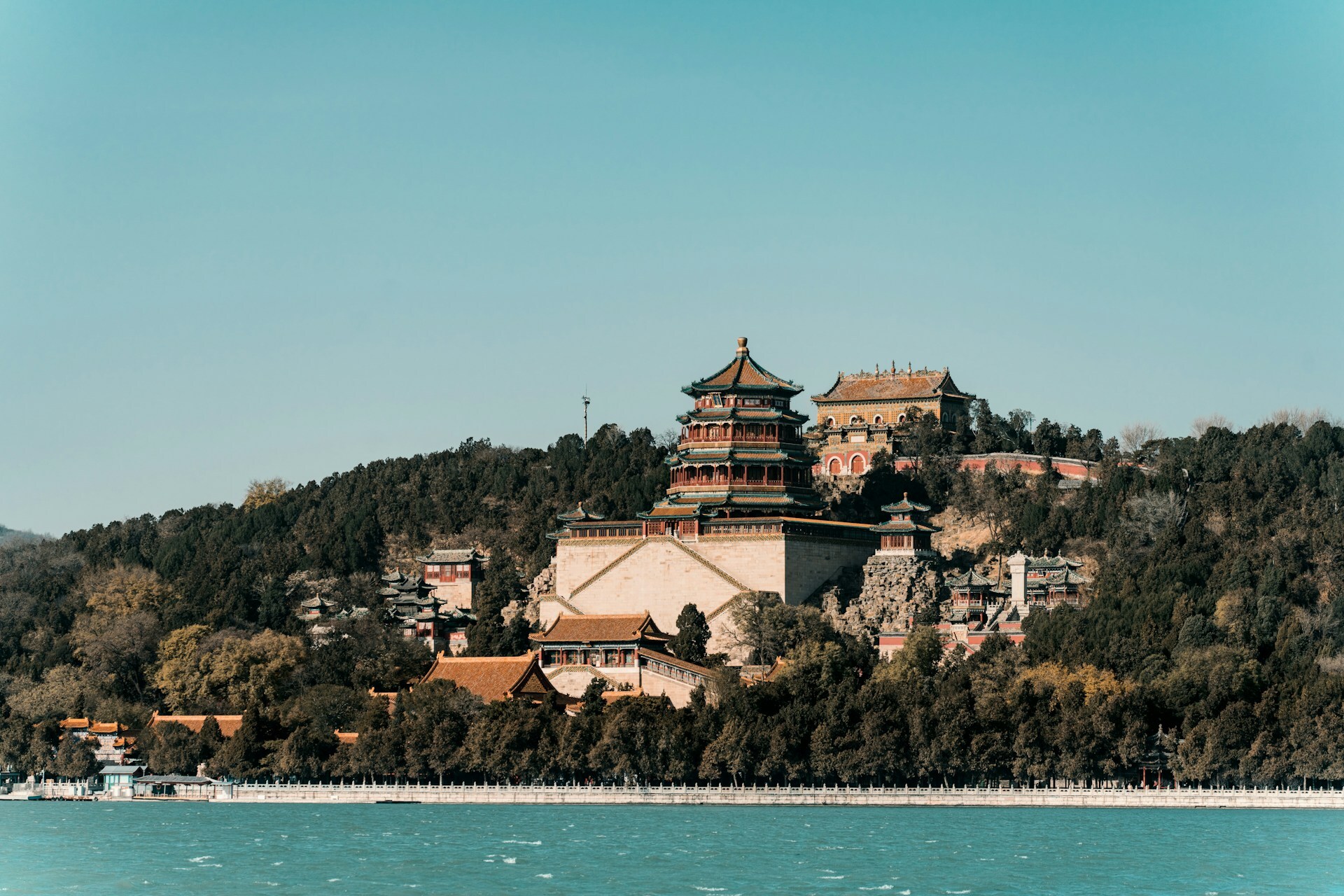
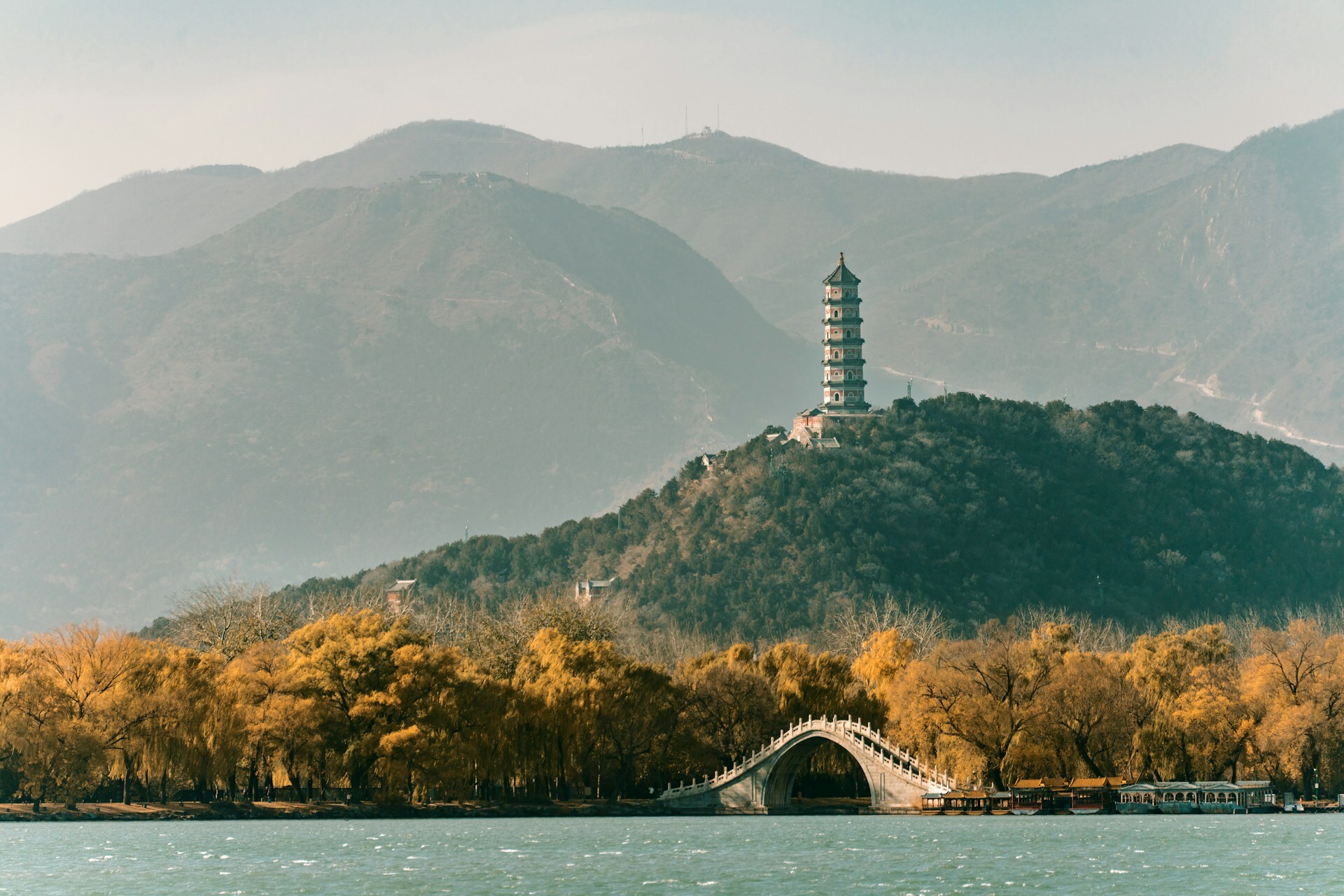
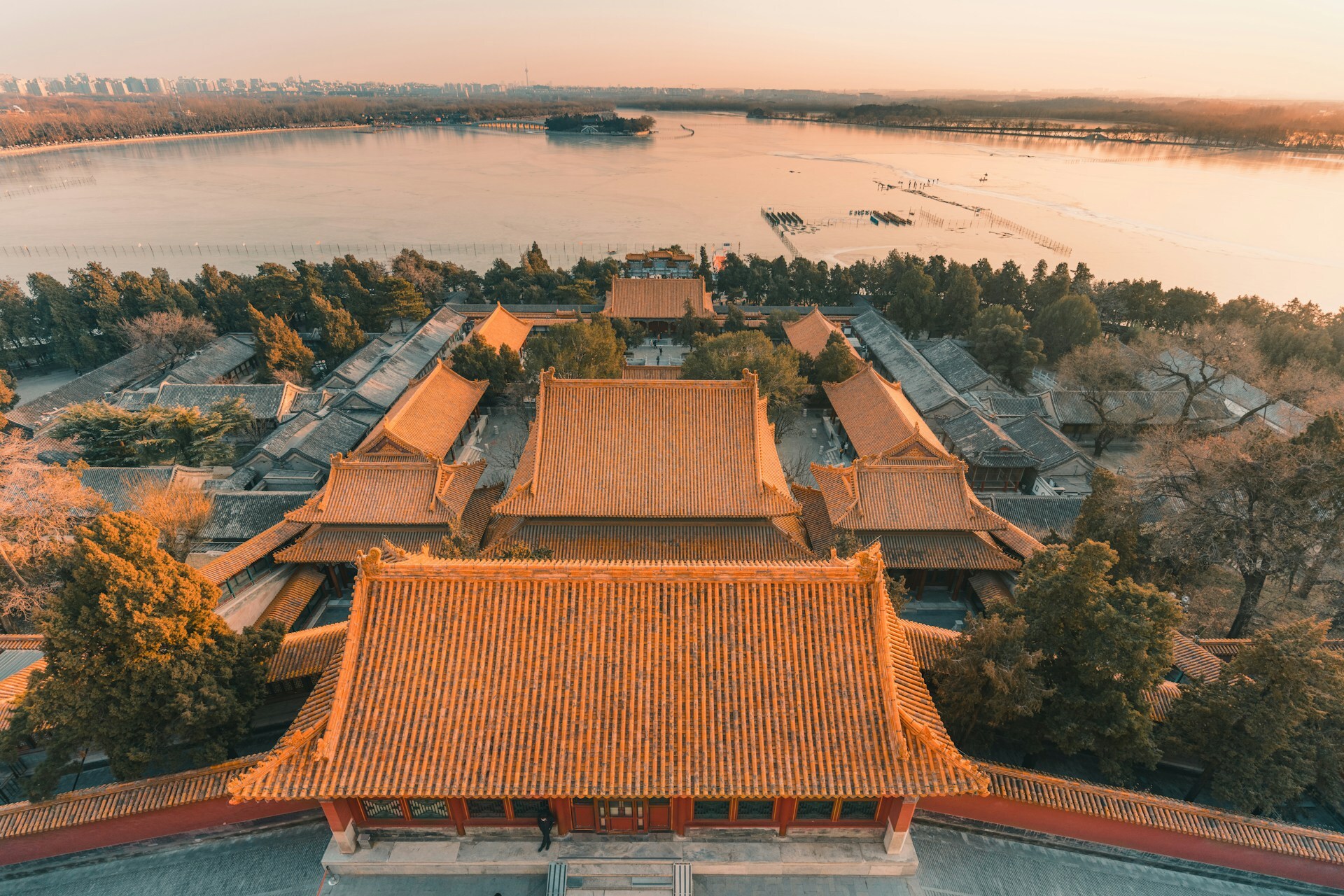
The Summer Palace, based on the framework of Kunming Lake and Longevity Hill, and incorporating design elements from gardens of the Jiangnan region, is a rare masterpiece of imperial landscape gardening. Having witnessed the splendor of its initial construction as the Garden of Clear Ripples, its devastation by Anglo-French forces, and its late-Qing reconstruction, it mirrors the rise and fall of China’s last feudal dynasty and is renowned as the “Museum of Royal Gardens.”
Travel Tips
Best Time to Visit: Each season offers distinct scenery: blooming flowers in spring, lotuses in summer, vibrant foliage in autumn, and snow-pavilions in winter.
Transportation: Metro Line 4, “Beigongmen” or “Xiyuan” stations.
Suggested Itinerary: Enter through the East Palace Gate, take a boat on Kunming Lake, explore the architectural complexes on Longevity Hill on foot, and conclude with a stroll along the Long Corridor.
Special Experience: Cruise Kunming Lake on a replica imperial boat; experience the Qing-dynasty-style market street at Suzhou Street.
Garden Art: Crafted by Man, Appearing as Nature’s Work
The garden design of the Summer Palace represents the peak of Chinese classical landscaping.
Kunming Lake: Modeled after West Lake in Hangzhou, its three islands—South Lake Island, Zaojiantang Hall, and Zhijingge Pavilion—represent the mythical “Penglai, Fangzhang, and Yingzhou” islands of immortals.
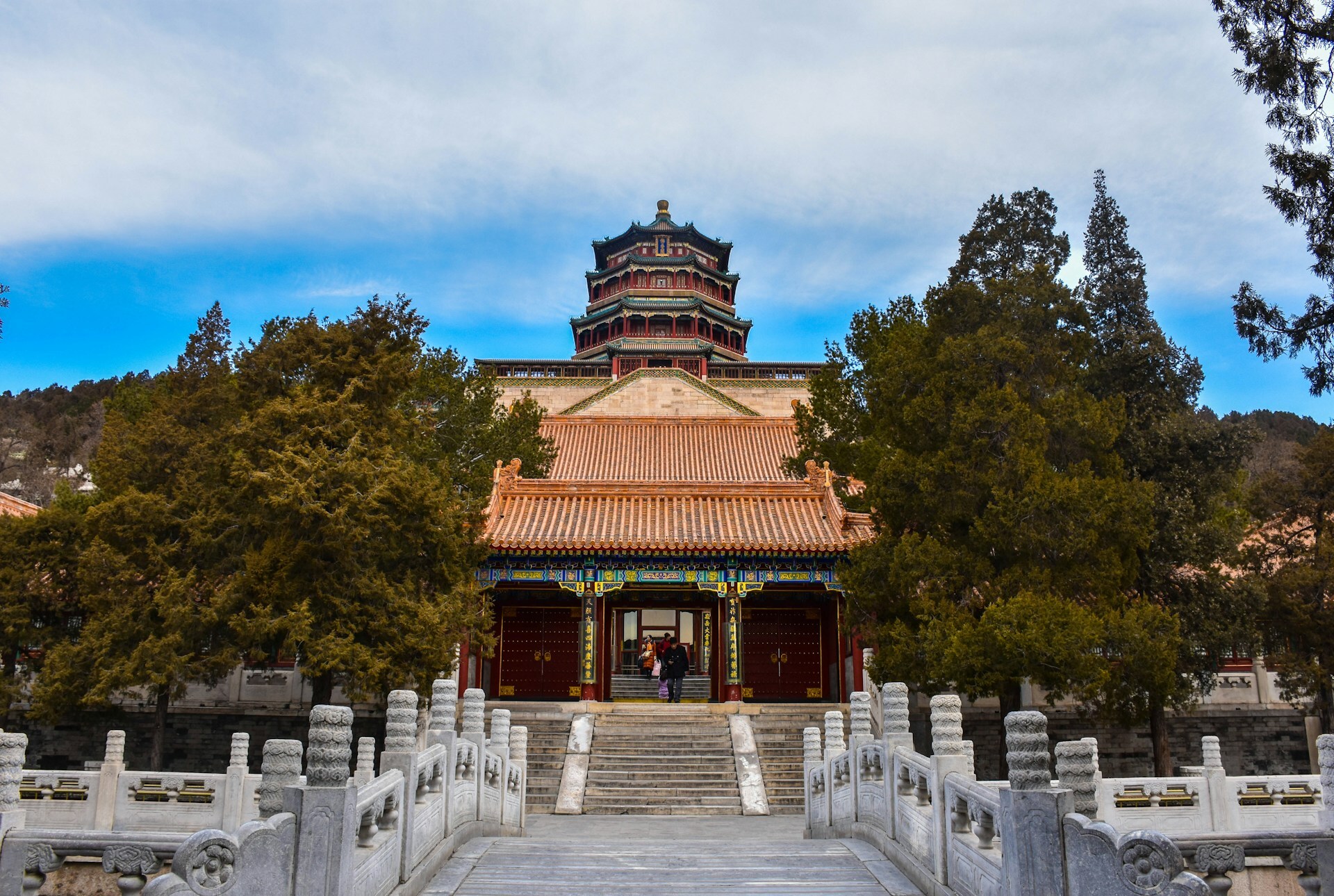
Longevity Hill: The front hill is dominated by the Tower of Buddhist Incense, forming a grand architectural complex, while the back hill and Rear Lake area are tranquil and secluded, evoking the charm of Jiangnan.
The Long Corridor: Stretching 728 meters, its beams are adorned with over 14,000 colorful paintings depicting landscapes, flowers, birds, historical stories, and literary classics, earning it the title “World’s Longest Painted Corridor.”
Historical Imprint: The Rise and Fall of a Garden
Garden of Clear Ripples Period: Built by Emperor Qianlong over fifteen years for his mother, employing the finest craftsmen nationwide.
Destruction and Reconstruction: Burned by the Anglo-French forces in 1860, rebuilt in 1888 by Empress Dowager Cixi using funds intended for the navy, and renamed “Yiheyuan” (Summer Palace).
Opening to the Public: Officially opened to the public in 1928, becoming a park for the people.
Hidden Details and Experiences
Seek out with care: experience the exquisite, “garden within a garden” design of the Garden of Harmonious Interests; ponder the imperial philosophy of “water can carry the boat, but also capsize it” at the Marble Boat; find the artistic conception mimicking Su Causeway of West Lake on the Six Bridges of the West Dyke; admire the sunset view of “setting clouds and a lone duck flying together” from the Xijia Tower.